What I Learned Talking to Film Funders About AI at Berlinale
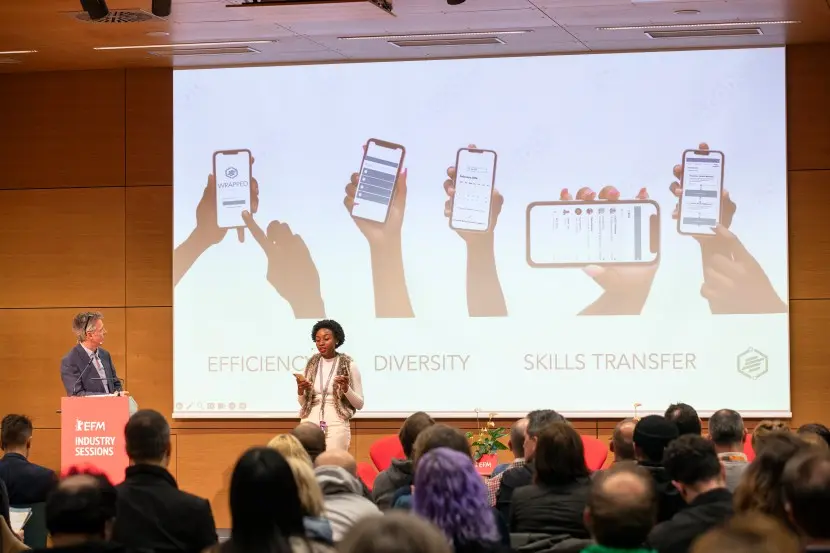
I spent last Sunday in a conference room in Berlin, surrounded by people who collectively control billions of euros in film funding. Directors of national film agencies from 38 European countries. The people who decide which movies get made.
The topic: AI. And honestly? The conversation was more nuanced than I expected.
Everyone’s Worried About the Wrong Thing
Here’s what struck me most: the anxiety in that room wasn’t really about AI replacing filmmakers. It was about something more specific—the pipeline.
Half of SAG members have done background work. That’s how actors learn sets, build relationships, get discovered. If AI generates crowd scenes, that entry point disappears.
Same with rotoscoping, compositing, VFX. These are the jobs where people start. Where they learn the craft before becoming supervisors, directors, innovators.
One funder put it simply: “Without entry-level work, we don’t build the next generation.”
That’s the real fear. Not that AI will make bad movies. That it’ll hollow out the apprenticeship system that’s built every great filmmaker we have.
The Distinction Nobody’s Making
Most AI conversations treat it as one thing. It’s not.
Non-generative AI (de-aging, sound cleanup, AI-assisted rotoscoping) is basically a better tool. The editor still makes creative decisions. The AI just executes them faster.
Generative AI is different. It creates things. It can do the job instead of you, not just help you do it better.
Film funders need to think about both. But they need to fund them differently.
What Actually Excited Me
One idea that came up: a “Certified Human” label for film content.
Not “no AI was used anywhere”—that’s impractical. Something more specific: “This performance is authentically human. This voice is real. This artwork was created by a person.”
Like organic certification for food. A way to signal authenticity without being anti-technology.
There’s already technical infrastructure for this. C2PA standards can cryptographically verify content provenance. We have the tools. We just need the cultural commitment to use them.
Where We Stand
At Wavery, our philosophy is simple: give artists tools to be creative—don’t let the tools make the art.
That’s why WhisperScript runs offline. It’s why we build for augmentation, not replacement. We think about what it means to wield powerful technology responsibly in an ecosystem that took decades to build.
The funders in Berlin understood something important: they have leverage. They’re allocating capital. They can require apprenticeships, mandate human labor for certain roles, demand transparency about AI use.
They can shape the industry they want, not just react to whatever emerges.
The Conversation Continues
The EU will regulate. The industry will adapt. But what gave me hope was seeing 38 countries’ worth of film funders actually wrestling with these questions thoughtfully.
The tension between algorithm and auteur isn’t a problem to solve. It’s a conversation to keep having.
Jesse works on content at Wavery. He attended the EFAD Workshop “Between Algorithm and Auteur: Funding Creativity in the Age of AI” at Berlinale 2026.